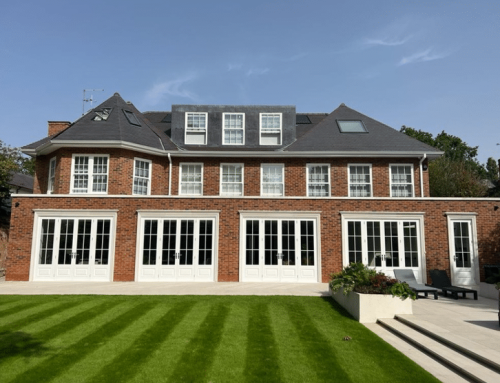
Windows can be categorised in various ways: by how they open, by architectural period, by frame material, and by the glass inside. Knowing which of those you’re choosing between makes the decision far easier. This guide covers the main types of windows and window styles used in UK homes. The right choice depends on your property’s age and design, the natural light and ventilation you want, the thermal and acoustic performance you need, security, and your budget.
Why Window Choice Matters
Windows do more work than almost any other part of a building. They set the character of a façade while controlling how much daylight reaches each room, and they form a key part of the thermal envelope. They also play an important role in security, particularly when they are accessible from ground level, which is why new dwellings must meet the building regulations of Part Q, or ‘Approved Document Q‘.
Common Types of Windows
The clearest way to sort types of windows is by how they open. Three key opening styles cover the majority of UK homes.
Casement Windows

A casement window is hinged along one edge, usually at the side, and swings open like a door. It is a classic style that has been popular for hundreds of years, throughout many architectural periods. Traditional casement windows feature casement stays and fasteners, with more modern options featuring multi-point locking. Because the casement closes onto a seal, they perform well against draughts and heat loss. Depending on their dimensions and position, they can also provide an emergency escape opening.
Timber casement windows suit new builds and extensions, as well as a range of properties throughout the ages. A pair in one frame is called a double casement window.
Sash Windows

A sash window has two glazed panels that slide vertically past one another. In a traditional box sash, these are counterbalanced by weights connected to cords concealed within the frame. Opening top and bottom together gives controllable airflow, with cooler air drawn in from the bottom and warmer air leaving from the top.
Timber sash windows are key to Georgian, Victorian, and Edwardian architecture, and they’re a popular choice for new builds designed to sit within an established streetscape.
Tilt and Turn Windows
Tilt and turn windows use a dual-action handle. Turned one way, the window tilts inward from the bottom edge to provide ventilation. Turned further, the whole sash swings inward for ventilation and/or cleaning. The style suits contemporary design more than traditional British architecture.
Window Styles by Architecture
Windows through the ages have distinct characteristics and features to look for. A bespoke manufacturer can produce those designs to modern performance standards, while remaining faithful to the original architecture.
Georgian Windows

Georgian windows are typically the classic ‘six-over-six’ sash window, with six panes in each sash divided by slim glazing bars. Symmetry and fine frame and bar widths give Georgian façades their understated elegance, and Georgian sash windows can be made for new build properties where a design calls for classic proportions.
Victorian Windows

Victorian windows offer more variety, and typically fewer glazing bars than Georgian windows. Improvements in glass manufacturing meant larger panes could be made, so ‘two-over-two’ or ‘one-over-one’ sash windows became common. Bay windows arrived in this period, alongside curved and arched shaped windows. Both sash and casements appear, and Victorian sash windows remain among the most enduringly popular styles.
Edwardian Windows

Edwardian windows are often decorative and unique. Sashes are often six-over-one, placing the pattern in the upper sash above a single clear pane. Casements frequently feature segmented bays, with intricate leading, decorative glazing bars, and stained glass often featuring for added decoration. Edwardian windows suit new builds aiming for an early twentieth-century character.
Window Materials and Glazing Options
There are three key window frame materials that dominate the UK market, and each one affects how a window looks as well as how it performs.
Timber Windows

Timber remains the authentic choice for period design and is normally expected where windows in a listed building must be repaired or replaced to match the originals. At Timbawood we can sensitively match your existing timber windows while upgrading insulation and security. We offer premium modified timbers and microporous paint finishes for a durable, long lasting result.
Accoya is the clearest example of high performance timber, holding Class 1 durability under EN 350, the highest rating available, with a 50-year above-ground guarantee. It stays dimensionally stable, so frames don’t swell or warp. Accoya assesses the frames as carbon neutral across their full life cycle, with an expected service life of 77 to 90 years. We work in Accoya, Sapele, and Engineered Redwood, and can match existing heritage windows exactly. Our guide covers how timber windows add value.
Aluminium Windows
Aluminium frames are strong, low maintenance and capable of producing slim sightlines, making them particularly suited to contemporary architecture. They are a popular choice for sleek sliding doors, but do not offer the same depth of detail or flexibility as bespoke timber.
UPVC Windows
UPVC is generally the lowest-cost but least adaptable option. Its standardised profiles offer less flexibility for bespoke proportions and fine architectural detailing, tending to be characterised by chunkier sections and thicker double glazing – and it may not provide the same lifespan or repairability as high-quality timber.
Glazing
Glazing is a key factor in both design and performance. For heritage timber windows, slimline double glazing achieves a much narrower sightline than standard units, and can sit inside traditional slim glazing bars for an authentic heritage look. Vacuum glazing goes further, reaching insulation comparable to triple glazing in a unit just a few millimetres thick.
At Timbawood we also provide acoustic glazing for extra sound insulation, and laminated security glass for additional protection against break in. As well as high performance glazing we also offer a range of patterned and opaque finishes for additional privacy, and restoration glass for an authentic handmade heritage look. For more details please see our range of high performance glass design options.
How to Choose Windows for Your Property
When designing a new build property or an extension, there are various factors to consider when choosing a window style.
- Architectural Fit: The window style is key to the character of a property. A classic Georgian style six-over-six sash window suits a house designed for a timeless, heritage look, while flush casements, which sit level with the surrounding frame when closed, suit contemporary or Arts and Crafts or cottage-influenced designs.
- Ventilation and Cleaning: How the window opens decides how you air a room and how easily you reach the outside of the glass. Casements open wide, and sashes let you vent top and bottom together.
- Thermal and Acoustic Performance: Glazing has a major influence on both thermal and acoustic performance. Slimline and vacuum units both deliver high insulation without compromising on traditional design, and acoustic glass is worth specifying near a main road or a flight path. Full perimeter compression seals also aid thermal and acoustic insulation, as does using a thermally efficient timber such as Accoya.
- Security: Multipoint locking and, where appropriate, laminated security glazing can provide additional security, with easily accessible windows requiring particular attention.
- Natural Light and Overheating: Larger openings and slimmer sightlines bring in more daylight. Solar control glass can be included on South elevations to limit Summer overheating, but can reduce the amount of light coming through the glass.
- Maintenance and Budget: Factory-applied microporous finishes extend repainting intervals considerably. As the durability and longevity of windows can vary considerably, it’s worth comparing options on whole-life cost rather than just purchase price.
If you’re extending a period property, the new windows should normally reflect the proportions and detailing of the existing building. Listed status, conservation-area controls or planning conditions may also affect your choices, so seek advice before finalising the design. For more information on door choices, see our guide to types of doors.
For new homes in England, Part Q regulations require window designs to be able to resist unauthorised access through accessible windows and doors. Part L sets the applicable energy-performance requirements. Our Part Q range has been independently tested for security and insulation, with frame and glazing specifications available to meet the relevant energy performance and safety requirements.
See These Styles in Person
Photographs only tell you so much about design and performance. Our London factory and showroom let you see these styles before you commit.
Talk to a Specialist About Your Windows
The best windows for your home are the ones that suit the building and satisfy the regulations that apply to it. We manufacture bespoke timber windows for new builds, extensions, and period properties from our London factory, with an insurance-backed ten-year warranty. One of our surveyors can visit your property, advise on what will work, and provide a free quotation.